Blog
-
Data Modeling: The Key to a Successful Unified Namespace

In manufacturing, data flows from various sources—machines, sensors, enterprise systems, and more. A Unified Namespace (UNS) brings all this data into a central hub. However, centralizing data isn't enough to truly call it a UNS. It's not just about aggregating information. A true UNS goes beyond being a data repository; it organizes, structures, and contextualizes that data, transforming it into something valuable and actionable for your business.
read more... -
Sign up for our monthly email updates:
-

Streamlining Node-RED Collaboration with FlowFuse
A few weeks ago, we discussed how FlowFuse centralizes edge device and Node-RED management, as well as its security features.... -

How to Bridge Modbus to MQTT: Step-by-Step Guide
Converting Modbus to MQTT unlocks the value trapped in legacy industrial equipment. Industrial facilities worldwide face a persistent challenge: their... -
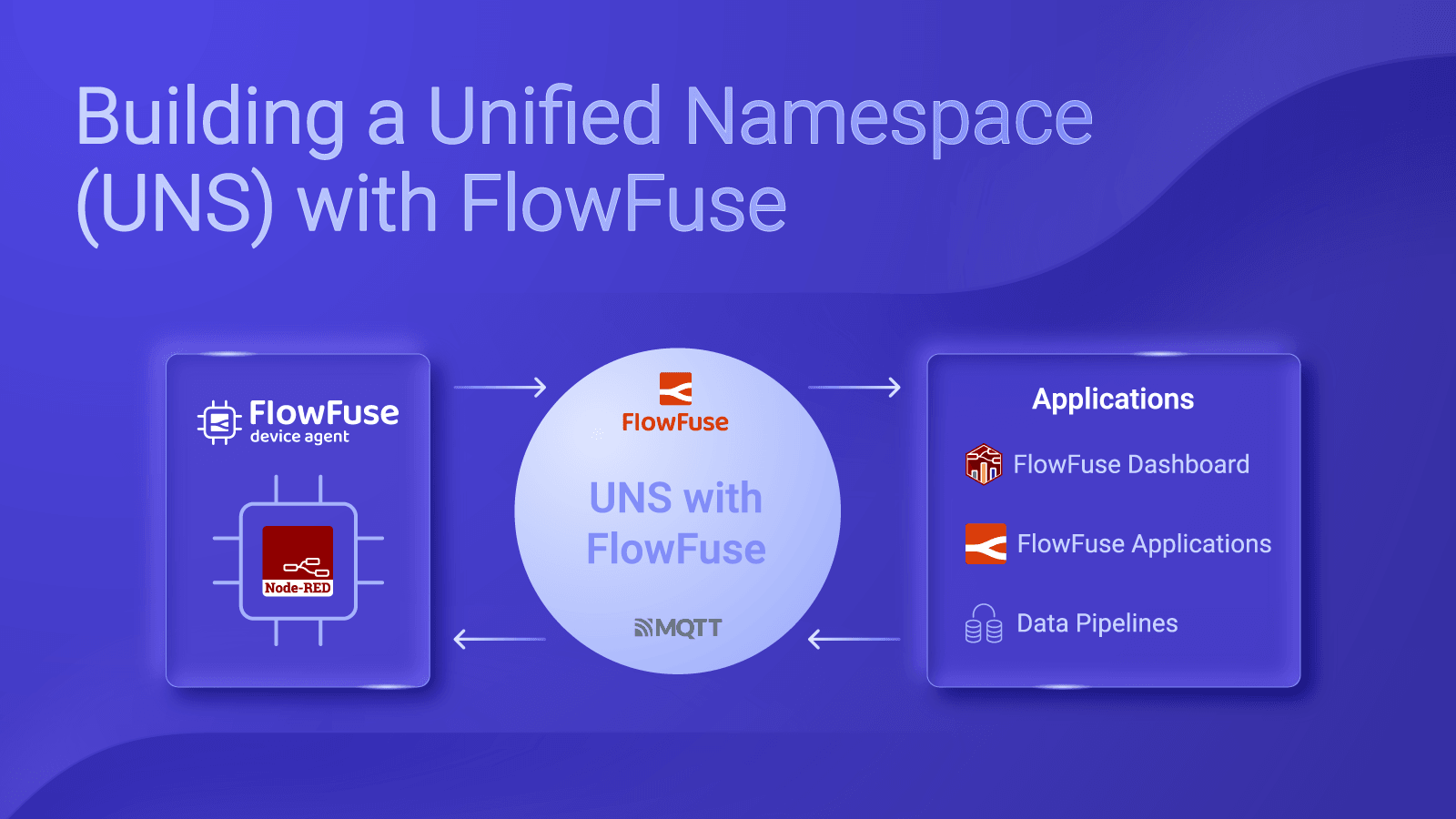
Building a Unified Namespace (UNS) with FlowFuse
As systems and devices become more connected, managing data from different sources can be tricky. A Unified Namespace (UNS) solves... -

The Death of Point-to-Point: Why You Need a Unified Namespace
Manufacturing has changed significantly over the years, driven by new technology and the need for better communication between systems. In... -

Introducing the Industrial Visionaries Podcast!
Today, we’re excited to announce our new podcast: Industrial Visionaries! -

Getting the Most Out of MQTT for Industrial IoT
MQTT is a go-to protocol for industrial IoT, known for its efficiency, scalability, and ease of use. While it offers... -
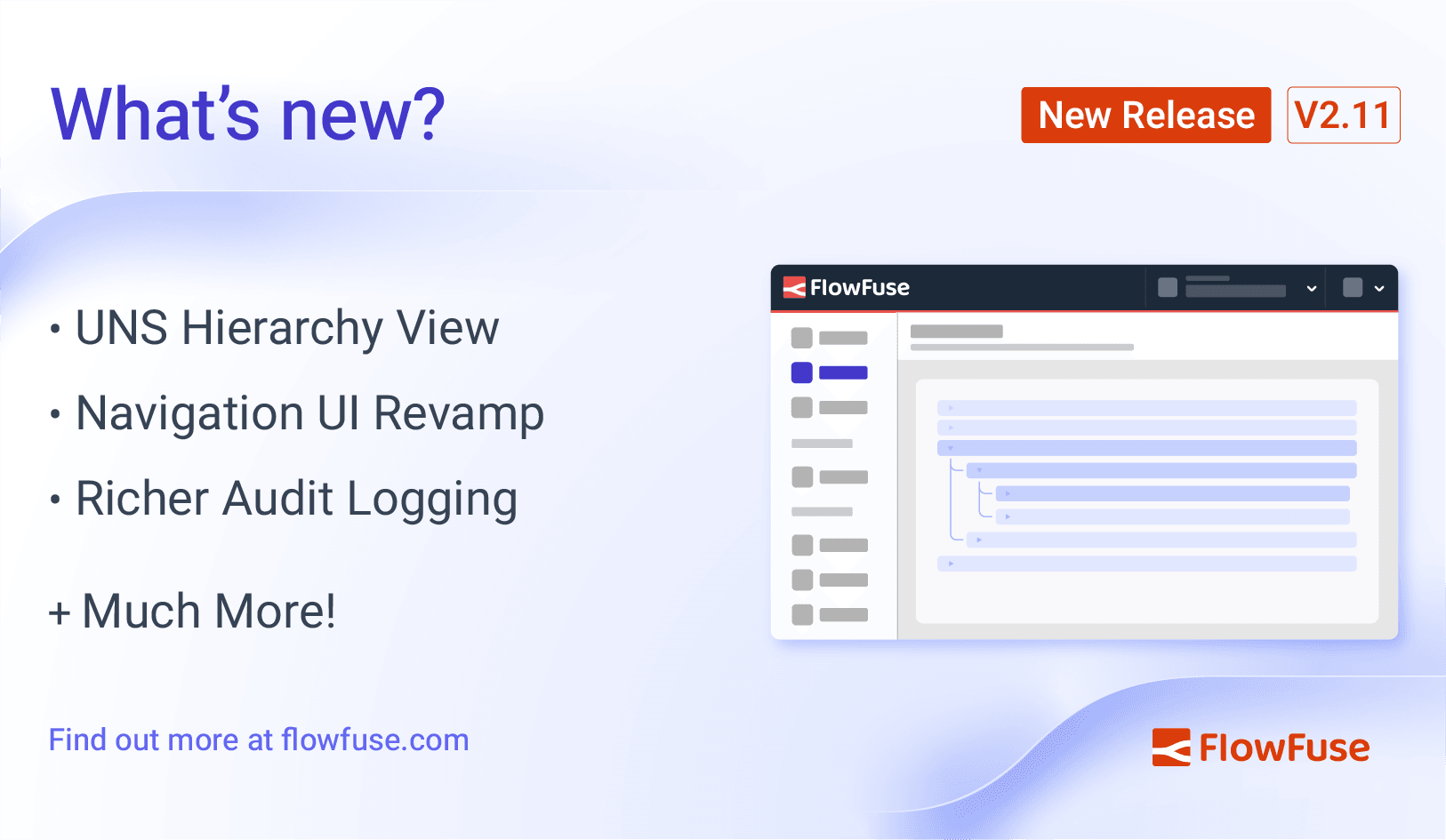
FlowFuse 2.11: MQTT Topic Hierarchy, UI Revamp & Improved Logging
The focus of the FlowFuse 2.11 release has all been about providing clarity for our users and reducing friction in... -
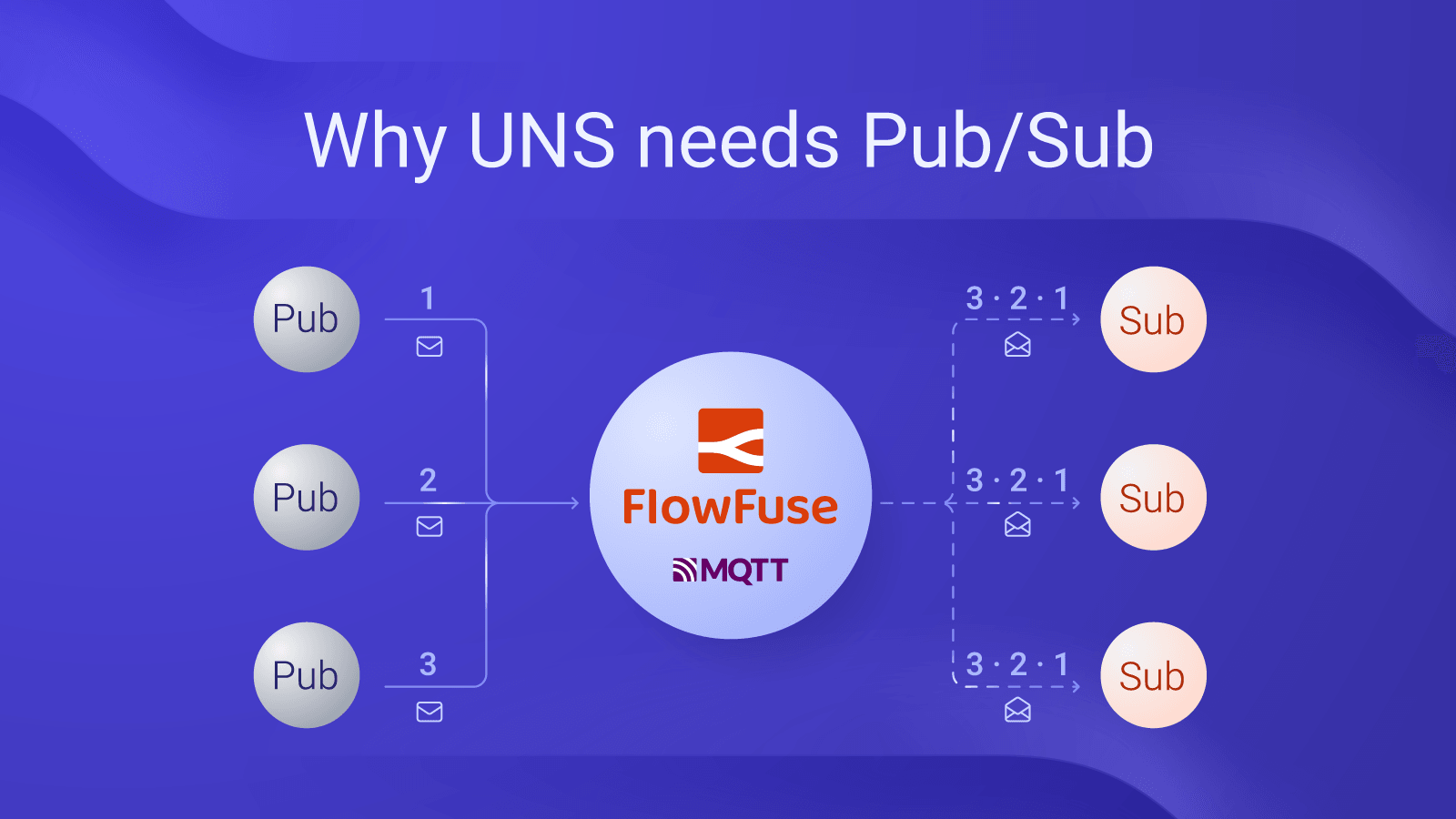
Why UNS needs Pub/Sub
As the manufacturing industry evolves and becomes increasingly connected through the Industrial Internet of Things (IIoT), the concept of a... -
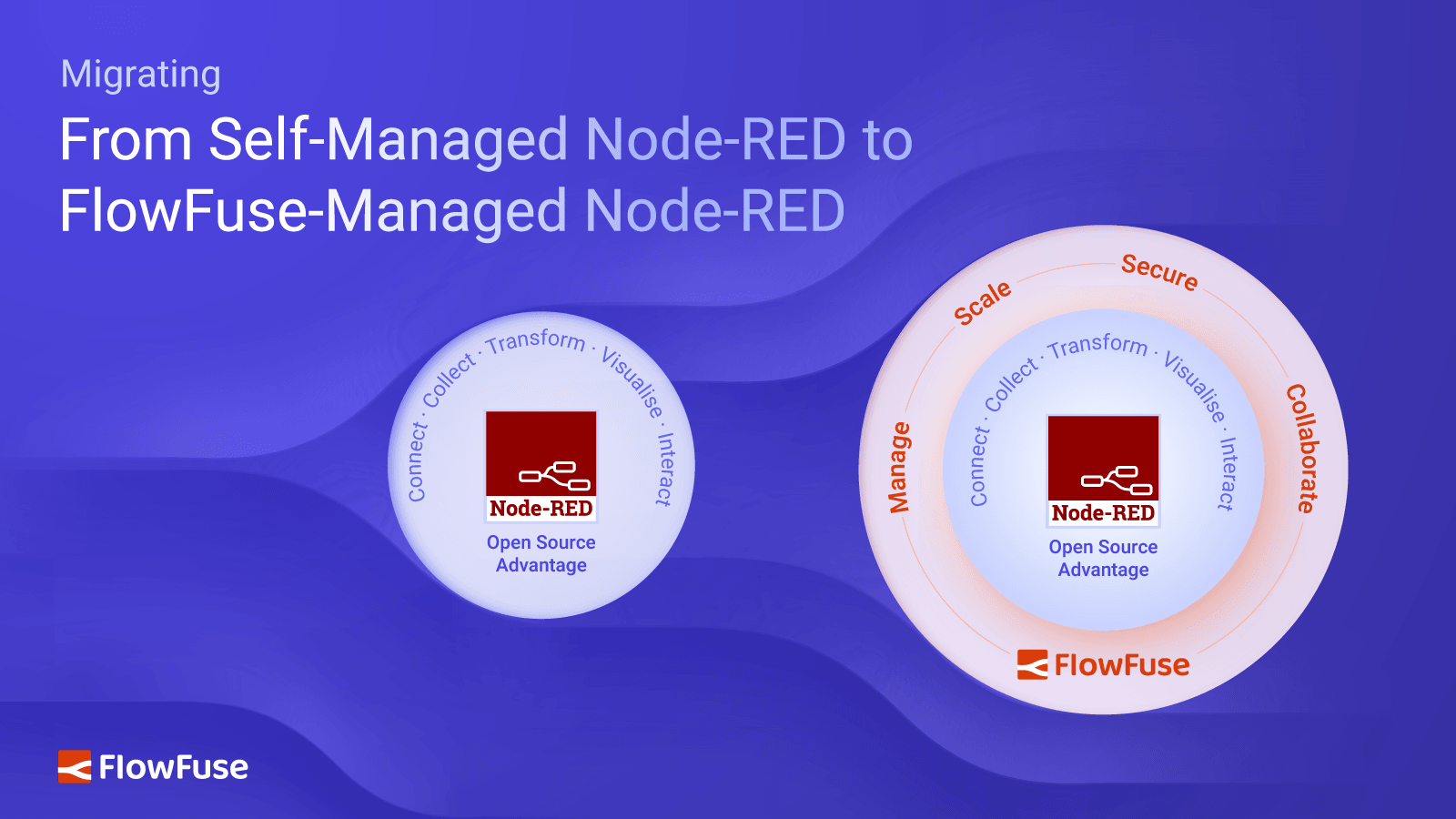
Migrating from Self-Managed Node-RED to FlowFuse-Managed Node-RED
Migrating your Node-RED instance to FlowFuse centralizes management and simplifies deployment. Once migrated, FlowFuse takes care of the infrastructure, security,... -
Run FlowFuse Device Agent as a service on MacOS using Docker
The FlowFuse Device Agent is a tool that enables you to run Node-RED on various hardware devices, such as Raspberry... -

Visual Layout Editor - Now Available in Dashboard
It has been one of the most requested features for FlowFuse Dashboard, and is now available in its first iteration.... -

MQTT Service Now Available on FlowFuse
In our recent product update we have added our very own MQTT service, built-in and ready to use alongside your... -
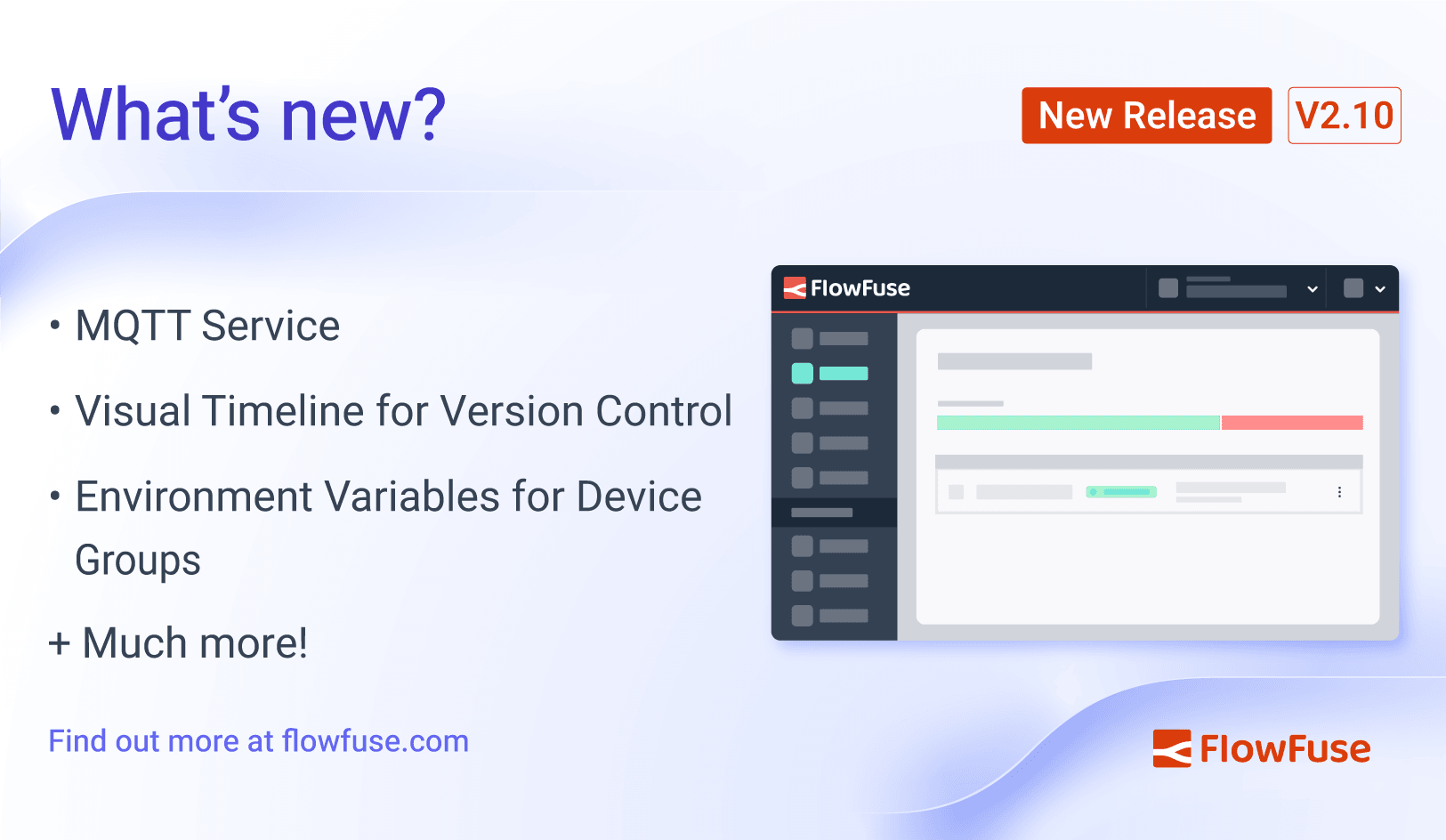
FlowFuse 2.10: MQTT Broker, Improved Version Control & More!
With FlowFuse 2.10 we've added some new major features, as well as improvements across the board for FlowFuse users. Most notably,... -

FlowFuse Security Features You Didn’t Know You Needed
When it comes to securing Node-RED applications and its editor, ensuring that your flows and data are protected from unauthorized... -
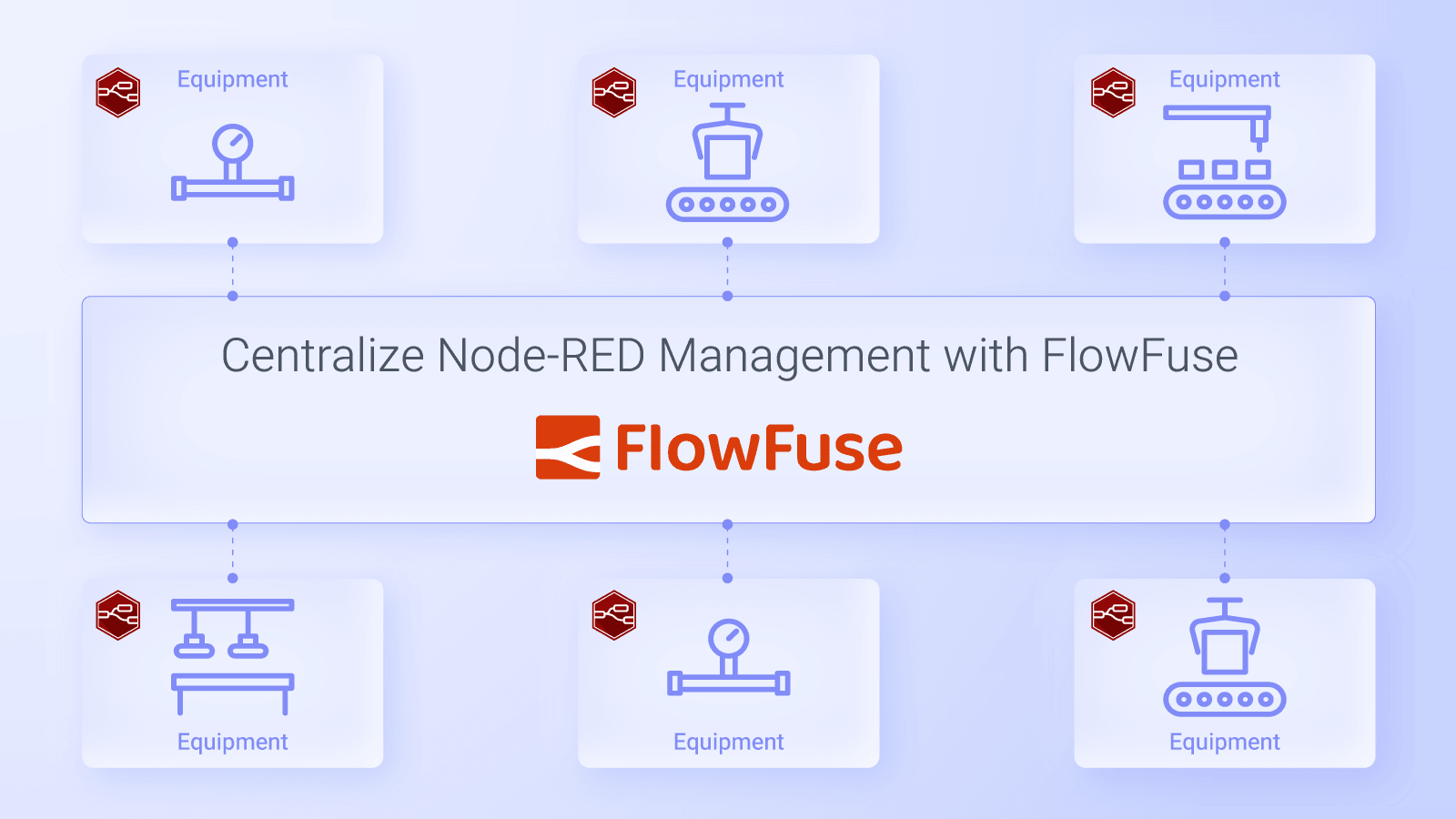
Transform Chaos into Control: Centralize Node-RED Management with FlowFuse
Managing a single Node-RED instance involves setting up and configuring a server, securely tunneling for remote access to edge devices,... -

FlowFuse's Software bills of material helps enhance Application Security and Management
FlowFuse recently launched Software Bill of Materials (SBoM) for enterprise customers. This powerful tool enhances security and management within projects,... -

Dialogs, Customizable Icons and Histograms Now Available in FlowFuse Dashboard
This update introduces new ways to enhance data visualization and customization in your dashboards. With key improvements, including a new... -

Using Snapshots for Version Control in Node-RED with FlowFuse
Version control is essential, especially when multiple people are working on the same Node-RED project. Without it, changes can easily...